
From Flavoria Innovation Festival to Japan: A Dream Come True
Kevin Mårtensson, a second-year history student at the University of Turku, participated in the Flavoria Innovation Festival last year. Kevin worked on the Turku Market Hall fishmongers’ challenge, and he was one of the students chosen for the study trip to Japan. In this blog post, Kevin shares his experiences and takeaways from the trip to Japan.
After the great experience of Flavoria Innovation Festival, I was chosen for the study trip to Japan. I was really excited because I have a great personal interest in Japan and Japanese history, culture and modern society. I study history in the Faculty of Humanities at the University of Turku, and I have East Asian Studies as a minor subject.
Our main destinations in Japan were Tottori and Obuse, where we would get the opportunity to meet local students, see local efforts for sustainable development and experience the local culture. It was my first time in Japan, so I was extremely excited. It was also great to meet my fellow travelers and get to know them.
Arrival in Tokyo and Exploring Cultural Heritage
We first flew from Helsinki to Tokyo where we stayed the night and a part of the next day. I went to the Tokyo National Museum where I saw Japanese art, craftmanship, archaeology, samurai armors and katana swords. It was a really great experience for me.
The next day I visited Sengaku-ji temple in Tokyo which is an old Buddhist temple. In the temple grounds, there are the graves of the legendary warriors of Ako incident, also called 47 ronin, which were the loyal samurai who avenged their master in 1703 and died subsequently. Their honorable memory is kept alive in the temple ground where visitors can place incense on their graves and visit two small museums which hold items related to the incident. The temple was very beautiful, the graves were peaceful and the weather was great. It was a unique experience.
Exploring Tottori: Sand Dunes, Sustainability Actions and Student Collaboration
Later that day, the official program of the study trip started and we flew to Tottori. There we visited the sand dunes which are a unique place in Japan. We also visited a beautiful lake, saw a bio-waste management facility, a compost facility and local ecological farm. We spent an evening with local students and prepared together a Japanese hotpot (nabe in Japanese). The students were very hospitable and made a lot of effort to make our stay comfortable and interesting. We did some group work with the local students about sustainability and Tottori’s efforts of accomplishing sustainability goals. We also gave a presentation about our group work at Tottori University which we had the pleasure of visiting.
In the last evening in Tottori, we had a celebratory dinner with students and university staff members. The next day one of the students helped me to visit Watanabe Museum of Art in Tottori which holds a large collection of samurai armors and sword as well as other historical items. The museum was extremely interesting, and I also was able to ask some questions from the dean of the museum.
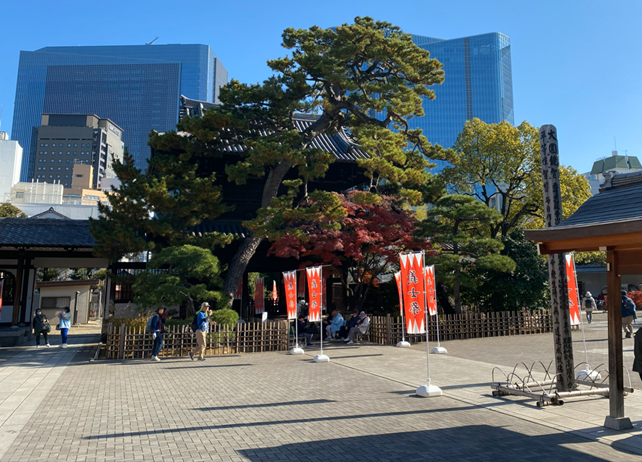
Sengaku-ji Temple Gate in Tokyo
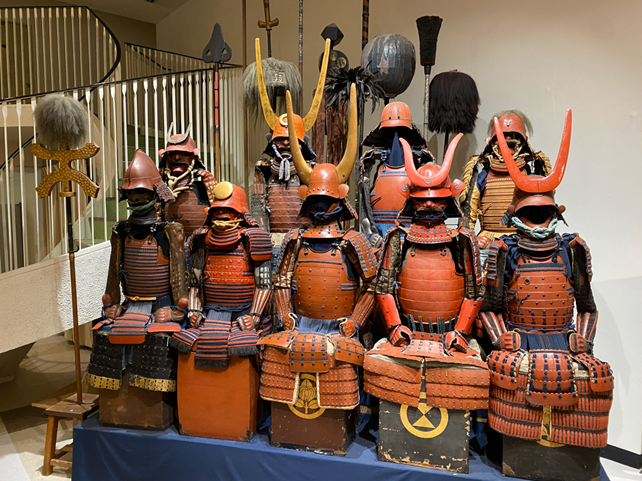
Samurai Armors in the Wanatane Museum of Art in Tottori
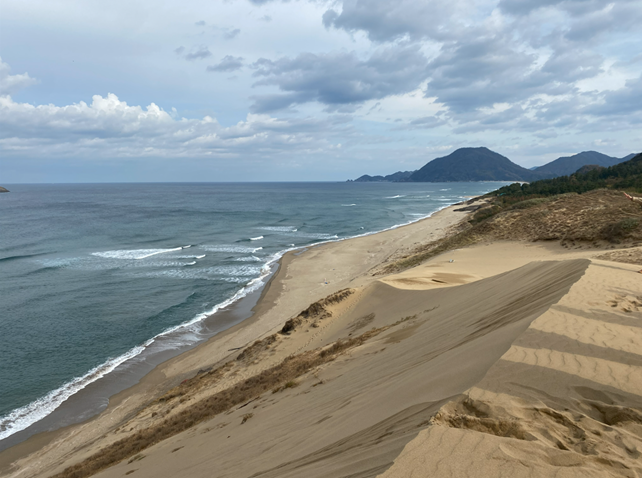
Sand Dunes in Tottori
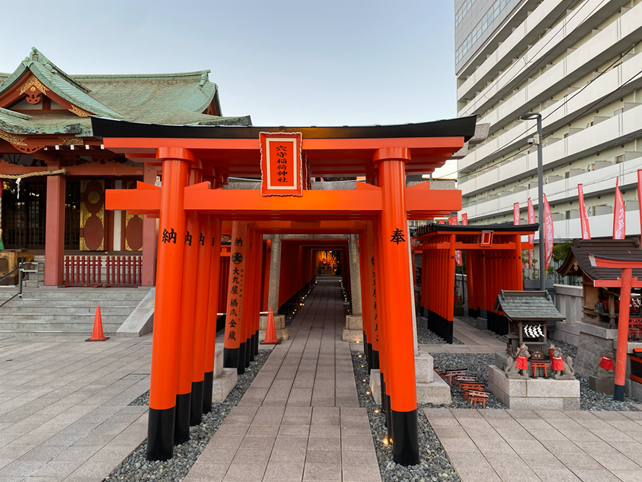
Anamori Inari Shrine in Tokyo
Back to Tokyo and Off to Nagano & Obuse
It was time to leave Tottori and briefly return to Tokyo. Before taking a bullet train to Nagano, I visited a beautiful shrine called Anamori Inari. Then we took a bullet train to Nagano. In Nagano, we met our guides from Obuse and visited the magnificent Zenko-ji Buddhist temple and its museums.
After lunch of warm soba noodles, we travelled to Obuse. There we were introduced to Obuse town’s library which is a building of unique and modern architecture and it has a great mission of bringing people of Obuse together to enjoy written culture. In the evening, we had dinner with Obuse’s mayor in a traditional Japanese restaurant. After that we had a soak in real hot springs.
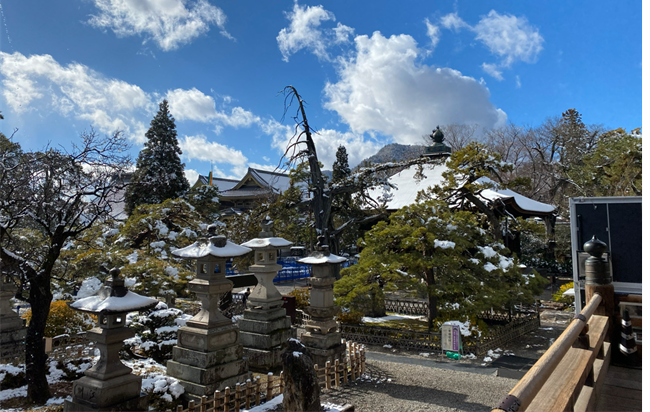
Garden and Buildings around the Zenko-ji Temple
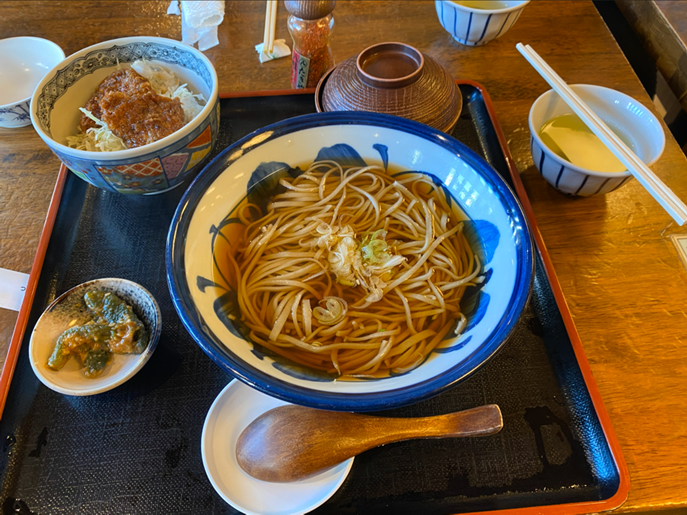
Soba Noodles in Nagano
The next day we went on a guided tour around Obuse. We were able to see beautiful gardens, a dairy farm, eat local gelato and see a museum exhibiting the artwork of the famous Japanese artist Hokusai. We were also interviewed by a local newspaper about our experiences in Japan. After that we returned to Tokyo and flew back to Finland.
Reflections and Takeaways
I was very impressed by the beauty of Japan and its combination of traditional culture and history as well as modernity, cutting edge technology and by the efforts made to achieve sustainability and circular economy. Recycling is at very high level in Japan, and many other efforts are also made as I got to witness.
My great experiences in Japan will stay with me and I hope that I can return there many times and use my knowledge in the benefit of the future and sustainable world.
The study trip to Japan was organized as part of the Flavoria Innovation Festival and the WiseFood project and in collaboration with the City of Turku. The trip was funded by the Sasakawa Foundation.